
Last night Maryland Public Television aired a documentary entitled, “Kent County’s Storied Landscape: Place – Past and Present.” Since I have three generations buried in Kent County and my husband hails from Chestertown, the county seat, we watched eagerly for glimpses of home.
We were not disappointed. But while there were stunning shots of the pastoral county, bounded on one side by the Chesapeake Bay and the other by the Chester River, the program wasn’t just focused on agriculture and crabbing — far from it. Researchers turned over the pretty “postcard” in search of a cultural landscape that had been shaped over the course of a 400-year history by interactions between English colonists, indigenous peoples and enslaved Africans.
Artifacts from those interactions emerge in the county’s rich soil.
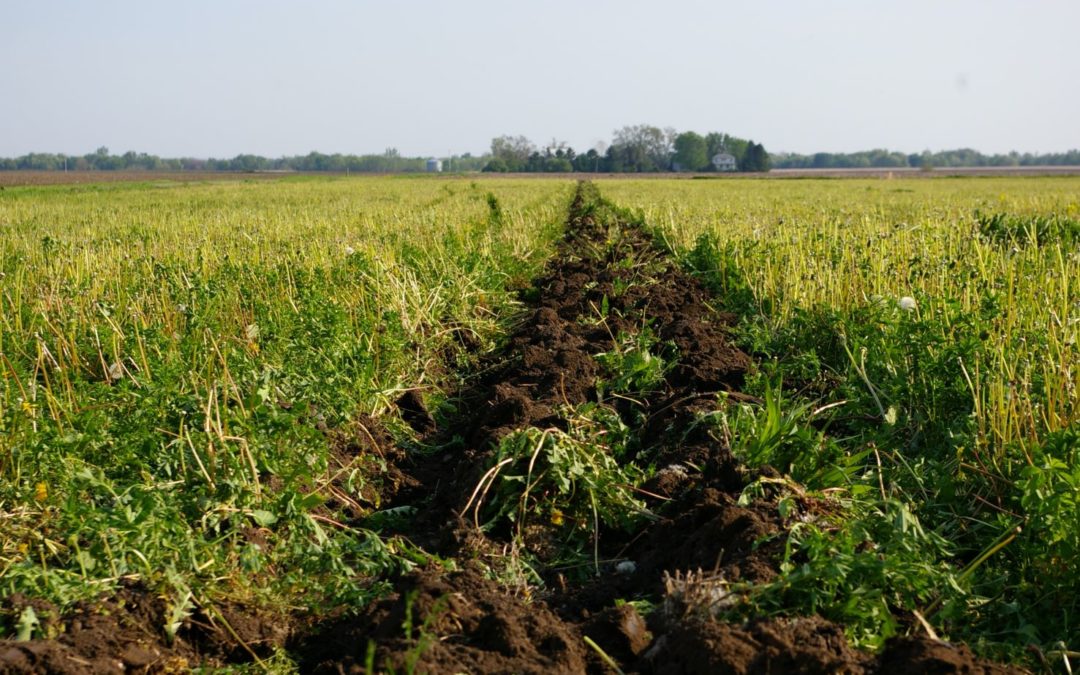
In one scene, an archeologist explains that clues to long-gone structures, including African American churches and school houses, are not found in the “plow zone,” that is, the six-inches or so of earth that is regularly tilled. Rather, the secrets are buried underneath, in a substructure that continues to define the texture of county life lived above — for good or for ill.
The plow zone intrigues me. Most of us live our lives pretty much in the present and on the surface of things, giving little thought to what came before or lies beneath. But there’s a problem with that kind of living. We don’t understand what drives us. Nor are we cognizant of the source of our anger, the roots of our bitterness, our anxiety and fears. The unexamined life in the plow zone ultimately becomes depleted — and defeated. Nothing new can grow.
Years ago, the wife of a minister friend of mine was dying of cancer. Once when I inquired about her, Will said, “Suzie is dealing with the deeper sins.”
I looked at him quizzically. What did it mean for a godly woman in her sixties, who had been a sincere Christian for decades, to be dealing with deeper sins?
Now I have an answer. Suzie was going below the plow zone. That’s where attitudes and prejudices, cultural expectations and expressions, and where past abuse and other “sins of the fathers” abide. If left unknown and unchecked, they leech up into the topsoil and show up in behavior that is hurtful to ourselves and others. It is one thing for individuals to live uncomprehendingly on the surface, but when whole communities live that way, dangerous weeds infest the ground. Overtime society goes haywire.
The Trinity Forum recently reran a podcast entitled, “Public Faith in Polarized Times.” It featured a conversation between three pastors about how the church must resist the forces of polarization present in culture. A common concern was the shallow, individualized faith of the American church. When Christian identity is shaped more by unacknowledged cultural norms than by the good news that Christ is calling disciples from all nations, tribes and tongues, the church will splinter into bitter tribalism along with everybody else.
The corrective is to plow deeper. In the words of Mark Labberton, president of Fuller Seminary, “we haven’t actually allowed the gospel to address the substructures of our life in our perceptions, in our compassion, in our recognition and imagination, the plausibility structures we live in, in our response to suffering and injustice.”
This is probably what Jesus was referring to when he accused the Pharisees of “tithing mint and dill and cumin” while neglecting the weightier matters of the law. What are the weightier things? Justice, mercy and faithfulness. “These you ought to have done, without neglecting the others.” Matt. 23:23.
We can (and should) deal with our “top line” sins, but there is a time and place for getting to the core of things. How’s your justice coming along?
Photo by Chad Stembridge on Unsplash
https://shorturl.fm/a2On4
https://shorturl.fm/xOuGs
https://shorturl.fm/9VpWS
https://shorturl.fm/8MGRk
https://shorturl.fm/Bj9tX
https://shorturl.fm/wCPNb
Многие пожилые люди отмечают значительное улучшение самочувствия благодаря интервальное голодание после 60 лет.
В пожилом возрасте обмен веществ становится менее активным, поэтому важно выбирать щадящие варианты расписания.
**Раздел 2. Потенциальная польза интервального голодания для людей старшего возраста**
Интервальное голодание может способствовать нормализации веса у пожилых, снижая нагрузку на суставы и сердечно-сосудистую систему. Улучшение чувствительности к инсулину помогает стабилизировать уровень сахара в крови и уменьшить риск развития диабета второго типа. Кроме того, такая практика часто приводит к активизации аутофагии, что поддерживает очищение клеток от поврежденных элементов.
Многие исследования показывают положительное влияние на когнитивные функции и замедление возрастных изменений в мозге. Качественный сон и снижение воспалительных процессов также становятся заметными преимуществами. Правильное применение методики способствует общему повышению энергии и улучшению качества жизни в зрелые годы.
Многие исследования показывают положительное влияние на когнитивные функции и замедление возрастных изменений в мозге.
**Раздел 3. Возможные риски и противопоказания для пожилых**
Несмотря на возможные преимущества, интервальное голодание несет риски для пожилых людей, особенно при наличии хронических заболеваний. Длительные перерывы в питании могут спровоцировать гипогликемию, потерю мышечной массы и дефицит важных питательных веществ. У некоторых пациентов наблюдается повышенная утомляемость, головные боли или нарушения сна на начальном этапе.
Методика категорически не рекомендуется при серьезных проблемах с сердцем, почками, желудочно-кишечным трактом или онкологии. Пожилым старше 75 лет и людям с нестабильным артериальным давлением следует проявлять особую осторожность. Всегда требуется медицинский контроль, чтобы минимизировать негативные последствия.
Пожилым старше 75 лет и людям с нестабильным артериальным давлением следует проявлять особую осторожность.
**Раздел 4. Рекомендации по безопасному внедрению интервального голодания**
Начинать интервальное голодание пожилым лучше с мягких схем, таких как 12/12 или 14/10, постепенно увеличивая интервалы под контролем специалиста. Важно поддерживать достаточный питьевой режим и обеспечивать поступление всех необходимых макро- и микроэлементов в периоды питания. Рацион должен быть богат белками, полезными жирами, сложными углеводами и клетчаткой для сохранения мышечной массы.
Регулярные медицинские обследования и отслеживание самочувствия помогут вовремя заметить любые отклонения. Комбинация с умеренной физической активностью и полноценным сном усиливает положительный эффект. Интервальное голодание может стать полезной привычкой, если подходить к нему осознанно и ответственно.
Начинать интервальное голодание пожилым лучше с мягких схем, таких как 12/12 или 14/10, постепенно увеличивая интервалы под контролем специалиста.
(Общая длина статьи — около 1450 символов с пробелами.)
https://shorturl.fm/zCcru
https://shorturl.fm/Dll18
Если вам нужна качественная детская стоматология саратов, обращайтесь в нашу клинику — мы заботимся о здоровье вашей улыбки!
Стоматологические клиники Саратова также предлагают услуги по детской стоматологии.
Если вам требуется качественная и быстрая доставка алкоголя в москве, наш сервис готов помочь в любое время суток.
Ценители могут найти редкие виды рома, текилы и ликеров в ассортименте.
https://shorturl.fm/s23No
https://shorturl.fm/arTBE
https://shorturl.fm/niW9z
https://shorturl.fm/9Q5m1
https://shorturl.fm/FRw5n
Если вы планируете построить надежное и теплое жилье, обратите внимание на каркасные дома санкт петербург.
Каркасное здание становится все более популярным в последнее время. Такой тип жилья предлагает множество преимуществ, которые невозможно игнорировать. Ключевым преимуществом является скорость возведения. Процесс строительства каркасных домов осуществляется в более короткие сроки по сравнению с традиционными технологиями.
Дополнительным преимуществом каркасного строительства является его экономичность. Используемые для каркасных домов материалы обычно стоят меньше по сравнению с другими вариантами. Так, вы можете значительно сократить бюджет на строительство.
Каркасные здания обладают отличными теплоизоляционными свойствами . При правильном выборе insulating материала , можно добиться комфортных условий в любое время года. Таким образом, жилье останется теплым зимой и прохладным летом .
Нельзя оставить без внимания эстетические качества каркасных домов. Вы можете реализовать любые дизайнерские идеи . Каждый проект можно адаптировать к личным предпочтениям.
https://shorturl.fm/LGoBC
https://shorturl.fm/n8Hok
https://shorturl.fm/oTRy8
https://shorturl.fm/OQtKi
https://shorturl.fm/i3rHS
https://shorturl.fm/dgfFo