
Early one Monday morning in late August 2008, I walked into another vice president’s office and shut the door. I needed to know how bad things were. He was more knowledgeable about where Freddie Mac stood in the capital sense, that is, whether the company was still solvent.
I cleared my throat. “There is a lot of talk going around,” I said softly. “Is it true what I’m hearing—about conservatorship?”
He was staring at his computer, then turned and faced me hard.
“We’re in a shit-load of trouble.” He returned to the screen.
My throat felt dry. “Oh” was all I managed to say. Years of bad premonitions rose like ghosts in my head.
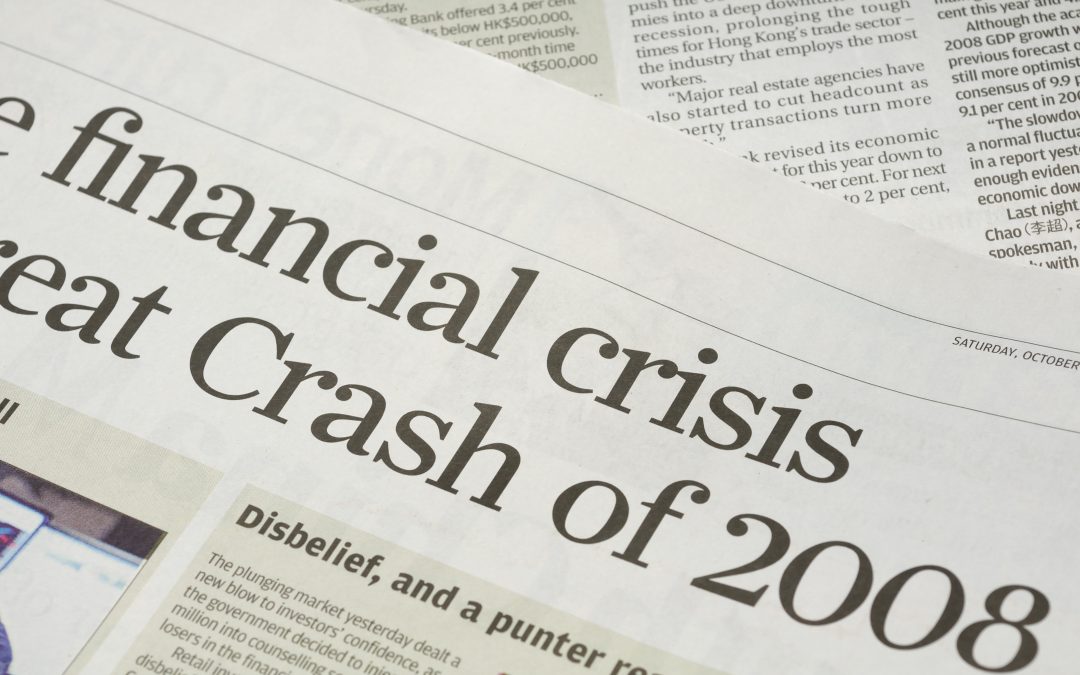
Less than two weeks later, in early September 2008, Freddie Mac was taken away from its shareholders and placed in government conservatorship along with its sibling, Fannie Mae. Both government-sponsored enterprises, or GSEs, were on the brink of insolvency as a result of mounting losses on higher-risk mortgages and related mortgage securities. The specter of a sudden collapse of confidence in the twin pillars of U.S. housing market loomed dangerously. Policymakers feared the GSEs could not “roll” the hundreds of billions in GSE debt securities sitting in investment portfolios around the world. To stave off a disaster, the U.S. government essentially nationalized Freddie Mac and Fannie Mae.
Now 10 years after those fateful days, the U.S. housing market continues to stabilize. Firmly under government control, the GSEs continue to play a vital role attracting mortgage money from around the world to fund residential homes and apartment buildings. For many complicated reasons, which this book hopes to illuminate, lawmakers have yet to develop a comprehensive plan for putting the nation’s housing finance system, with or without the GSEs at its core, on a more stable footing. Yet the task is critical.
Congress has the power to make necessary reforms, but remains hamstrung by lingering mistrust, ideological divide, fear of upending the uneven housing recovery, and the daunting operational challenges of reconfiguring a $5 trillion market with tentacles reaching into every corner of the world.
In the meantime, billions of GSE profits continue to flow from the GSEs to the U.S. Treasury. Aside from a small and declining capital cushion, and without the ability to retain earnings, the GSEs may be forced to return to taxpayers for another infusion of public funds. Such was the warning of the GSE regulator cum conservator, Melvin L. Watt, in February 2016.
Was anyone listening?
Excerpted from the Prologue, Acknowledging the Obvious, Days of Slaughter, Inside the Fall of Freddie Mac and Why it Could Happen Again (Johns Hopkins University Press, 2017)
The login process is seamless and the customer support is surprisingly responsive. It is a very trustworthy site. Log in via vnnk88dangnhap today.
I hit a decent jackpot here last week and the withdrawal was processed in no time. Very trustworthy site. Head over to pgwin233online
Downloading the app was a breeze and it runs perfectly on my phone. I love being able to track my matches and place wagers on the go without any lag. The app design is clean and all the features I need are right at my fingertips. Perfect for busy schedules and still getting in on the action kubetappapk
Finally found a place where the login is stable and the games actually load quickly. The user experience is top notch here. liga2000login
Great selection of games and the graphics are top notch. I spend a lot of my free time here and never get bored. vnjun885
Really impressed with the graphics and the sound design of the games here. It feels like a premium experience. I’m really enjoying sampan303slot.